
Batch Processing And Flow Control
9/25/2019 • L&L Online Team
Both batch processing and flow control are important terms to know if you are involved in the manufacturing industry. The furnaces created by L&L Special Furnace are crucial to this industry at large. Once a part is fabricated there are extra steps which often need to be taken, such as thermal processing. This thermal processing of parts is more common than most would think. And there are two ways to go about thermal processing: batch processing, which relies on flow control, and mass production.
What is Flow Control?
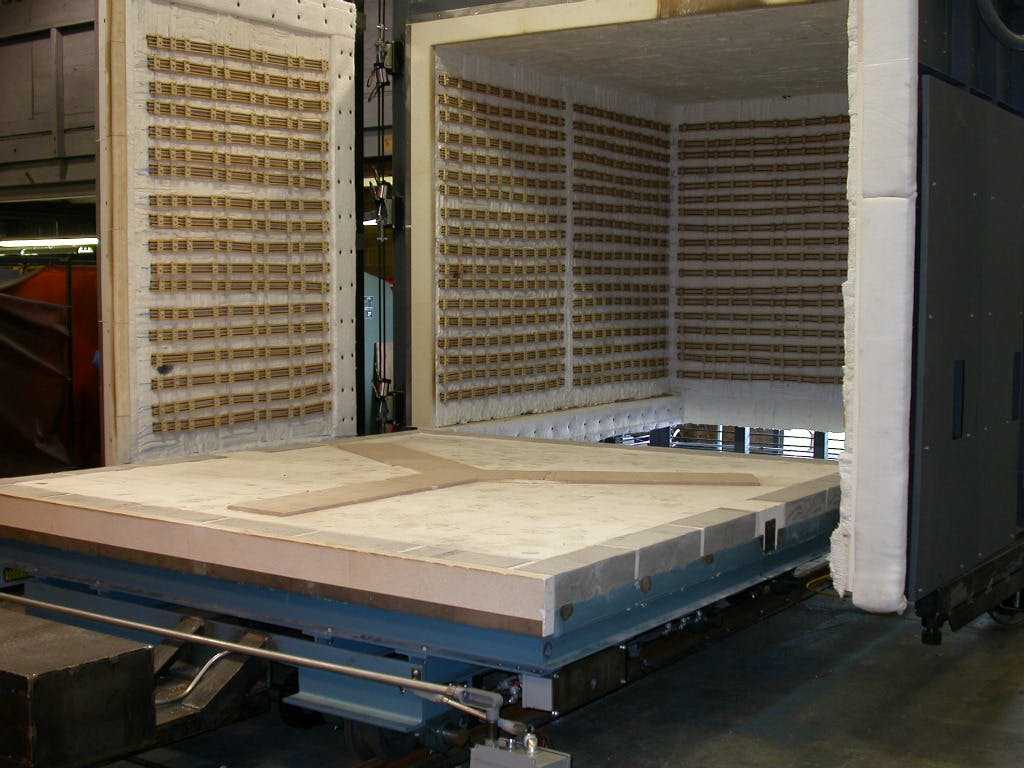
Before we can dive into batch processing and mass production it is important to understand what flow control is. After all, flow control is the main factor which sets batch processing and mass production apart.
You can think of flow control like supply and demand. The need for specific parts controls the flow of production. For example, if there is a high demand for part A, a low demand for part B, and no demand for part C, flow control dictates how much of your time and resources are put into creating each type of part. In this example, part A would receive more time and resources than part B, and part C would receive little to none.
A good way to differentiate flow control from supply and demand is the focus each takes in maximizing profits. Supply and demand typically focuses on expanding the supply to match demand, thereby increasing profit. On the other hand, flow control typically focuses on reducing costs such as wasted time and resources, thereby increasing profit.
Batch Processing vs. Mass Production
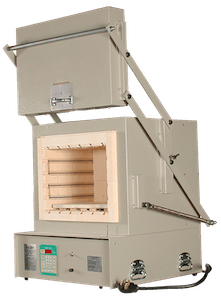
Batch processing excels in situations with a relatively low (compared to mass production) number of parts which need to be processed. For situations in which the parts being processed may change rapidly, batch processing is also the preferred method. Some aspects of batch processing furnaces include:
- Lower overall costs due to non-continuous operation
- Higher costs per individual part because they are “specialized”
- Limited scaling capabilities
- Minimum overstocking of inventory because parts are processed “on-demand”
- Usefulness for research and development due to less overall cost and time
- Higher overall costs due to continuous operation
- Lower costs per individual part because they are not “specialized”
- Near infinite scaling capabilities
- Excess stock of inventory because parts are processed regardless of demand
- Lack of research and development potential due to the process being streamlined
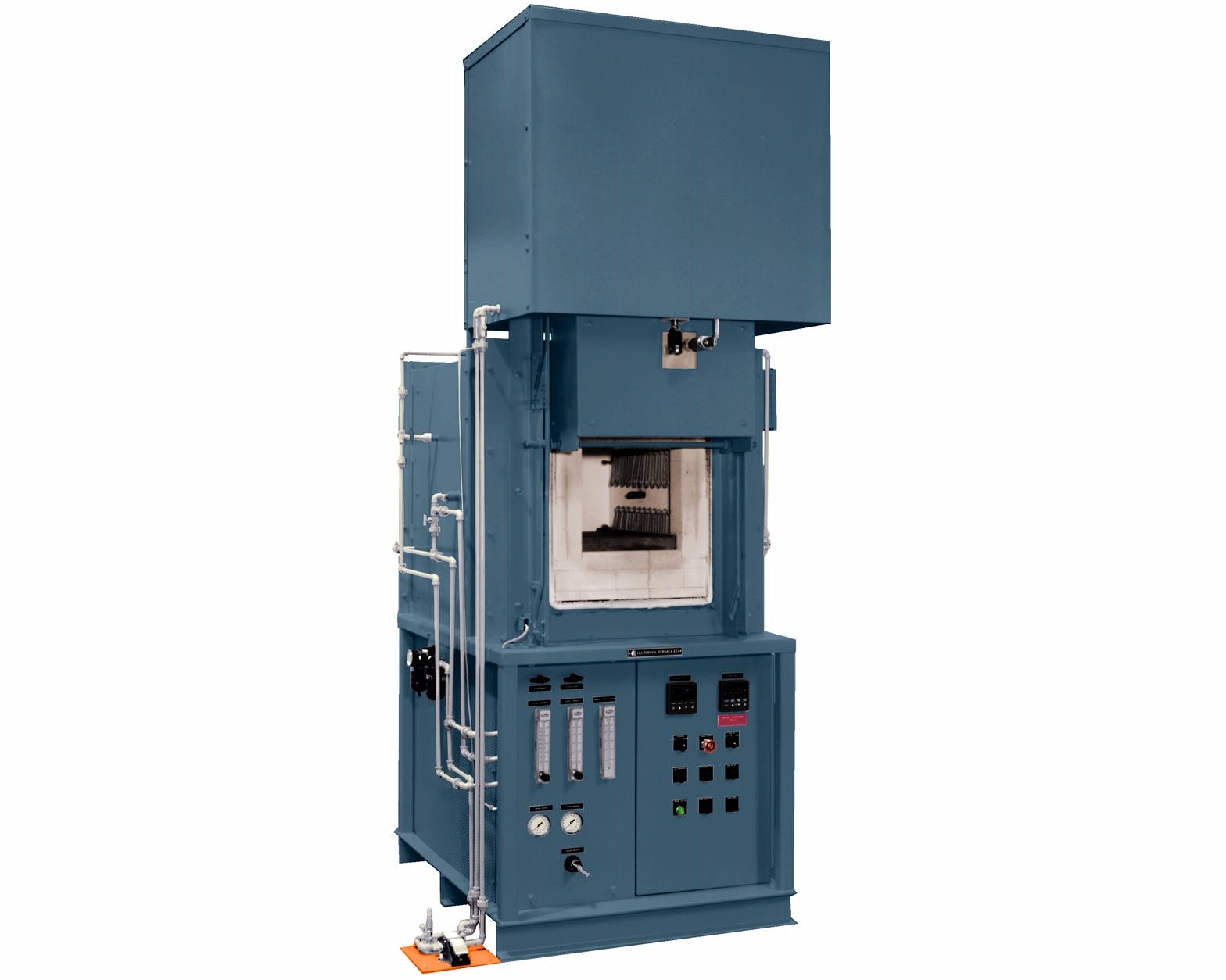
Uses for Batch Processing Furnaces
- Glass slumping for telescopic lenses
- Annealing of optical lenses
- Sintering of medical grade powders
- Ceramic matrix composites
- Nuclear magnetics & particle acceleration
- Curing of dental appliances
- Medical implant devices
- Various military & defense projects
Conclusion
Batch Processing with L&L Special Furnace
Contact L&L Special Furnace todayWe hope you found this article informative and engaging. At L&L Special Furnace, we are dedicated to providing high-quality industrial furnace solutions tailored to meet your specific needs. With decades of experience and a commitment to innovation, we strive to deliver exceptional products and services to our valued customers.
For more information about our products, visit our Series page. Need help with your current heat treating solution? Contact us today to speak with an expert who can help.
Interested in working with us?
Sometimes it is easier to talk to someone directly. Provide us basic contact information. We'll be in touch